
Florida homeowners are no strangers to strong winds, tropical storms, and hurricane season. While severe damage is often obvious, many roofing problems caused by high winds can go unnoticed until they lead to leaks, mold growth, or costly repairs.
After a major storm passes, it’s important to inspect your property and understand the warning signs that your roof may have suffered wind damage.
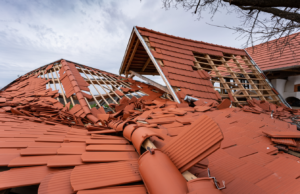
How Wind Damages a Roof
Strong winds create uplift pressure that can loosen, lift, or remove roofing materials. Even if shingles remain attached, the seal beneath them may be broken, leaving your roof vulnerable to future leaks.
Wind-driven rain can also force water beneath damaged roofing components, causing hidden moisture issues inside the attic or home.
Common Signs of Hurricane Wind Damage
Missing Shingles
One of the most obvious signs of wind damage is missing shingles. High winds can tear shingles completely off the roof, exposing the underlayment and roof deck below.
Even a small area of missing shingles can allow water to penetrate your roofing system.
Lifted or Curled Shingles
Shingles don’t always blow away entirely. Sometimes they become partially lifted or curled. This weakens their ability to protect your home and often leads to future roof leaks.
If you notice shingles that appear uneven or out of place, a professional inspection is recommended.
Granule Loss
Asphalt shingles are coated with protective granules that shield them from UV rays and weather exposure.
After a storm, excessive granules may collect in gutters or near downspouts. Significant granule loss can indicate that your roof’s protective surface has been compromised.
Damaged Flashing
Flashing protects vulnerable areas around chimneys, vents, skylights, and roof transitions.
Strong winds can loosen or bend flashing, creating openings where water can enter the home.
Water Stains Inside the Home
Sometimes the first sign of roof damage appears indoors.
Watch for:
- Ceiling stains
- Discolored drywall
- Peeling paint
- Damp insulation
- Musty odors
These symptoms may indicate that storm-related roof damage has already allowed water intrusion.
Debris Impact Damage
Tree branches and flying debris can crack shingles, dent metal roofing, or damage flashing during a storm.
Even if the impact appears minor, hidden damage may exist beneath the surface.
Why Prompt Inspections Matter
Many roofing issues worsen over time. A small area of storm damage can quickly turn into a roof leak during the next heavy rain.
Professional inspections help identify problems early before they require more extensive repairs.
In some cases, homeowners may also need documentation of storm-related damage for insurance purposes.
What to Do After a Storm
If your area experiences strong winds or a hurricane, follow these steps:
- Perform a visual inspection from the ground.
- Check your attic for signs of moisture.
- Look for debris, missing shingles, or gutter damage.
- Take photos of any visible damage.
- Schedule a professional roof inspection.
Avoid climbing onto the roof yourself, especially after severe weather, as hidden structural damage may create safety risks.
Protect Your Home Before Small Problems Become Major Repairs
Florida storms can be unpredictable, but identifying roof damage early can save homeowners significant time and money.
If your home recently experienced high winds, a professional roof inspection can provide peace of mind and help ensure your roofing system is ready for the next storm season.
