How Clogged Gutters Can Damage Your Florida Roof

150 150 Florida 5 Star Roofing Blogger

How Clogged Gutters Can Damage Your Florida Roof

Most homeowners think about their roof when they notice a leak, missing shingles, or storm damage. Gutters often get less attention, but they play a major role in protecting the roof and the rest of the home.

In Florida, where heavy rain, tropical storms, and hurricane-season downpours can send large amounts of water off your roof in a short period of time, clogged or damaged gutters can quickly become a problem. When water cannot flow through the gutter system properly, it can back up, overflow, pool around the home, and contribute to roof and exterior damage over time.


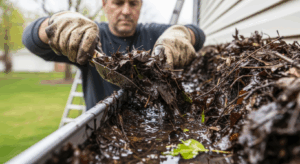
Clogged Gutter with man cleaning out the gutter.

Clean gutters will make a huge difference!


At Florida 5 Star Roofing, we help homeowners throughout Central Florida, Altamonte Springs, Orlando, Lake Mary, Sanford, Kissimmee, Winter Park, Windermere, Ocoee, Winter Springs, Tampa, and nearby areas protect their homes with reliable roofing and gutter services.


If your gutters are clogged, sagging, leaking, or pulling away from the home, they may be putting your roof at risk.


Why Gutters Matter in Florida

Your gutter system is designed to collect rainwater from the roof and move it safely away from your home. When gutters and downspouts work properly, they help protect:


  • Roof edges
  • Fascia boards
  • Soffits
  • Siding
  • Landscaping
  • Walkways
  • Foundation areas
  • Attic spaces
  • Interior ceilings and walls


In a rainy Florida season, that water management system becomes even more important. A sudden storm can dump a large volume of water onto the roof. Without clear gutters and properly placed downspouts, water may spill over the edges, back up under roof materials, or collect around the base of the home.


What Causes Gutters to Clog?

Gutters can become clogged by more than just leaves. In Florida, common gutter debris includes:


  • Leaves
  • Pine needles
  • Twigs and branches
  • Roof grit and shingle granules
  • Dirt and sediment
  • Seed pods
  • Moss or organic buildup
  • Storm debris
  • Small animal nesting materials


Homes with trees nearby often need more frequent gutter maintenance, especially before rainy season and after major storms.

Shingle granules in gutters are also worth paying attention to. Some granule loss is normal as shingles age, but heavy granule buildup may be a sign that your roof is wearing down and should be inspected.


How Clogged Gutters Can Damage Your Roof


  1. Water Can Back Up Under Roofing Materials

When gutters are clogged, rainwater has nowhere to go. Instead of flowing through the gutter and downspout system, water can back up along the roof edge.

Over time, standing or backed-up water may affect shingles, underlayment, drip edge, fascia, and roof decking. This can increase the risk of leaks, especially during heavy rain or wind-driven storms.


  1. Fascia and Soffit Boards Can Deteriorate

The fascia board sits along the roofline and often supports the gutter system. When gutters overflow or pull away from the home, water can soak the fascia and nearby soffit areas.

Over time, this moisture exposure can contribute to wood rot, staining, peeling paint, pest concerns, and structural weakening around the roof edge.

If you notice gutters sagging, separating from the fascia, or overflowing in the same spot, it is time to have the system inspected.


  1. Roof Leaks May Develop Slowly

Gutter-related roof leaks do not always happen overnight. Water may slowly find its way into vulnerable areas near roof edges, valleys, flashing, or damaged shingles.

Homeowners may not realize there is a problem until they see:


  • Ceiling stains
  • Peeling paint
  • Musty odors
  • Damp insulation
  • Water marks near exterior walls
  • Visible mold or mildew
  • Soft or stained wood near the roofline


By the time these signs appear indoors, the moisture problem may have been developing for a while.


  1. Moisture Problems Can Increase Mold Risk

The EPA explains that moisture control is key to mold control and recommends cleaning and repairing roof gutters regularly to help reduce moisture problems around the home.

When water repeatedly enters roof edges, attic spaces, insulation, or wall cavities, it can create conditions where mold may grow. Mold concerns should always be taken seriously, especially when moisture issues are ongoing.


  1. Water Can Pool Around the Home

Gutters do more than protect the roof. They also help move water away from the home’s foundation and landscaping.

When gutters overflow, water may pour directly off the roof and collect near the base of the home. Over time, this can contribute to:


  • Soil erosion
  • Landscape washout
  • Water pooling near walkways
  • Moisture around foundation areas
  • Splashback on siding
  • Exterior staining


While not every gutter issue creates a foundation problem, poor drainage can create avoidable stress around the home.


Signs Your Gutters May Be Damaging Your Roof

Florida homeowners should watch for these warning signs:


  • Gutters overflowing during rain
  • Water spilling over the sides
  • Sagging gutter sections
  • Gutters pulling away from the fascia
  • Rust, cracks, or holes in gutter sections
  • Loose or disconnected downspouts
  • Water pooling near the home
  • Erosion under roof edges
  • Stains on fascia or soffits
  • Peeling paint near the roofline
  • Granules collecting heavily in gutters
  • Roof leaks after storms
  • Musty odors in the attic or home


If you notice any of these issues, schedule an inspection before the next major storm.


How Often Should Florida Homeowners Clean Gutters?

There is no one-size-fits-all schedule, but many Florida homes should have gutters checked at least twice a year:


  • Before the rainy season
  • After hurricane season or major storms


Homes with heavy tree coverage may need more frequent cleaning. If your property has pine trees, oak trees, or overhanging branches, gutter debris can build up quickly.

You should also inspect gutters after strong winds, tropical storms, or heavy rain events. Storm debris can clog gutters fast, even if they were recently cleaned.


Gutter Repair vs. Gutter Replacement

Not every gutter problem requires replacement. In many cases, gutter issues can be repaired if they are caught early.


Gutter Repair May Be Enough If:


  • A small section is leaking
  • A downspout is loose
  • Seams need resealing
  • Pitch needs adjustment
  • A section has minor sagging
  • Hangers need to be resecured


Gutter Replacement May Be Better If:


  • Gutters are old or heavily damaged
  • Sections are pulling away from the home
  • Multiple leaks are present
  • Water consistently overflows
  • Gutters are undersized for the roof
  • Drainage problems keep returning
  • The home does not currently have gutters where they are needed


Florida 5 Star Roofing can inspect your gutter system and recommend repair, maintenance, or replacement based on the condition of your home.


Do You Need Gutters on Every Florida Home?

Not every home is designed the same way, but many Florida homes benefit from gutters because of the volume and intensity of seasonal rainfall. Gutters are especially helpful when water drains near walkways, entryways, landscaping, patios, driveways, or foundation areas.

A properly sized and installed gutter system can help channel water where it belongs instead of letting it fall wherever gravity takes it.


Gutters and Roofing Work Together

Your roof and gutters should be thought of as one connected water management system. Even a strong roof can experience problems if the gutters are not moving water away properly.

That is why it makes sense to have both systems inspected together. A roofing professional can look for clogged gutters, damaged fascia, worn shingles, storm damage, loose flashing, water stains, and drainage issues at the same time.


Florida 5 Star Roofing provides residential roofing and gutter services designed to help protect your home from the top down.


Protect Your Roof Before the Next Florida Storm

Florida weather can change quickly. A small gutter issue today can become a roof leak during the next heavy storm.


Before rainy season or hurricane season, take time to check your gutters and roofline. If you see clogs, overflow, sagging, damage, or signs of roof wear, do not wait for water to make its way indoors.

Florida 5 Star Roofing offers gutter installation, gutter repair, gutter maintenance, roof inspections, storm damage repair, and residential roofing services across Central Florida and Tampa-area communities.

Need help protecting your roof and home?


Request a free roofing or gutter estimate from Florida 5 Star Roofing today.


FAQ


Can clogged gutters cause roof leaks?

Yes. Clogged gutters can cause water to back up around roof edges, fascia, shingles, underlayment, and flashing. Over time, that moisture can increase the risk of leaks.


How do I know if my gutters are clogged?

Common signs include water overflowing during rain, sagging gutters, plant growth in the gutter, water pooling near the home, stained fascia, and debris visible from the ground.


How often should gutters be cleaned in Florida?

Many Florida homes should have gutters checked at least twice per year, especially before rainy season and after hurricane season. Homes with heavy tree coverage may need more frequent cleaning.


Should I repair or replace my gutters?

Repair may be enough for minor leaks, loose downspouts, or pitch issues. Replacement may be better if gutters are old, undersized, sagging, heavily damaged, or repeatedly overflowing.

Best Roofing Materials for Florida Weather: Shingle vs. Metal vs. Tile

150 150 Florida 5 Star Roofing Blogger

Best Roofing Materials for Florida Weather: Shingle vs. Metal vs. Tile

Choosing a new roof in Florida is not just about picking the color that looks best from the curb. Your roof has to stand up to intense sun, heavy rain, high humidity, tropical storms, hurricane-season winds, and year-round heat. That is why the right roofing material matters so much for homeowners across Central Florida, including Altamonte Springs, Orlando, Lake Mary, Sanford, Kissimmee, Winter Park, Windermere, Ocoee, Winter Springs, Tampa, and surrounding communities.


At Florida 5 Star Roofing, we help homeowners compare roofing options based on more than appearance. Budget, durability, wind resistance, energy efficiency, maintenance needs, home style, and long-term value all play a role in choosing the best roof for your home.


Roof Install at Sunset

Form and Function!


If you are planning a roof replacement, the three most common residential roofing options in Florida are asphalt shingles, metal roofing, and tile roofing. Each has advantages, and the right choice depends on your home, goals, and budget.


Why Florida Weather Is Tough on Roofs

Florida roofs work hard every day. Even when there is no major storm, your roof is exposed to conditions that can shorten its lifespan over time.

Common Florida roofing challenges include:


  • Intense UV exposure from year-round sun
  • Heavy rainfall and sudden afternoon storms
  • High humidity that can contribute to moisture-related wear
  • Hurricane-season wind and wind-driven rain
  • Debris from trees and storms
  • Salt air exposure in some coastal areas
  • Rapid temperature changes during storms


Because of these conditions, Florida homeowners should think carefully about roof material, installation quality, ventilation, underlayment, flashing, and ongoing maintenance.

A roof is a system. The material you choose matters, but so does how that material is installed.


Asphalt Shingle Roofing in Florida

Asphalt shingles remain one of the most popular roofing materials in Florida because they are affordable, attractive, and available in many colors and styles. For many homeowners, shingles offer the best balance of cost, curb appeal, and performance.


Florida 5 Star Roofing offers professional shingle roof installation for homeowners looking for a dependable and budget-friendly roofing option.


Benefits of Shingle Roofs

Shingle roofing is a strong choice for many Florida homes because it offers:


  • Lower upfront cost compared to many other roofing materials
  • A wide range of colors and styles
  • Good curb appeal for many home designs
  • Easier repair and replacement when damage occurs
  • Availability of architectural shingles with improved durability
  • A familiar look that works well across Central Florida neighborhoods


Architectural shingles are often preferred over traditional 3-tab shingles because they are thicker, more dimensional, and typically designed for better performance. However, actual wind performance depends on the specific product, installation method, roof deck condition, fastening pattern, and code compliance.


Things to Consider with Shingle Roofing

Shingle roofs can perform well in Florida, but they do require proper installation and maintenance. Over time, heat, UV exposure, wind, and storms can lead to granule loss, lifted shingles, cracked shingles, or worn flashing.

Shingle roofing may be a good fit if you want a cost-effective roof replacement with solid protection and a classic appearance.


Metal Roofing in Florida

Metal roofing continues to grow in popularity across Florida. Homeowners often choose metal because of its durability, energy efficiency, and ability to stand up well to harsh weather conditions when properly installed.

Florida 5 Star Roofing provides metal roof replacement for homeowners who want a long-lasting, high-performance roofing system.


Benefits of Metal Roofing

Metal roofs offer several advantages for Florida homes, including:

  • Strong durability
  • Long service life
  • Excellent resistance to moisture
  • Strong performance in high-wind conditions when properly installed
  • Reflective properties that may help reduce heat absorption
  • Modern appearance and clean lines
  • Lower long-term maintenance needs compared with some materials


Metal roofing can be especially appealing for homeowners who plan to stay in their home long-term and want a roof designed for durability.

The ENERGY STAR cool roof guidance explains that roofs with strong solar reflectance and thermal emittance can help keep roof surfaces cooler. Many metal roof systems are available with reflective finishes that can support better heat performance.


Things to Consider with Metal Roofing

Metal roofing usually has a higher upfront cost than asphalt shingles. It also requires experienced installation, especially around fasteners, seams, valleys, penetrations, and flashing.

A metal roof may be a good choice if your priorities are long-term value, durability, energy-conscious performance, and weather resistance.


Tile Roofing in Florida

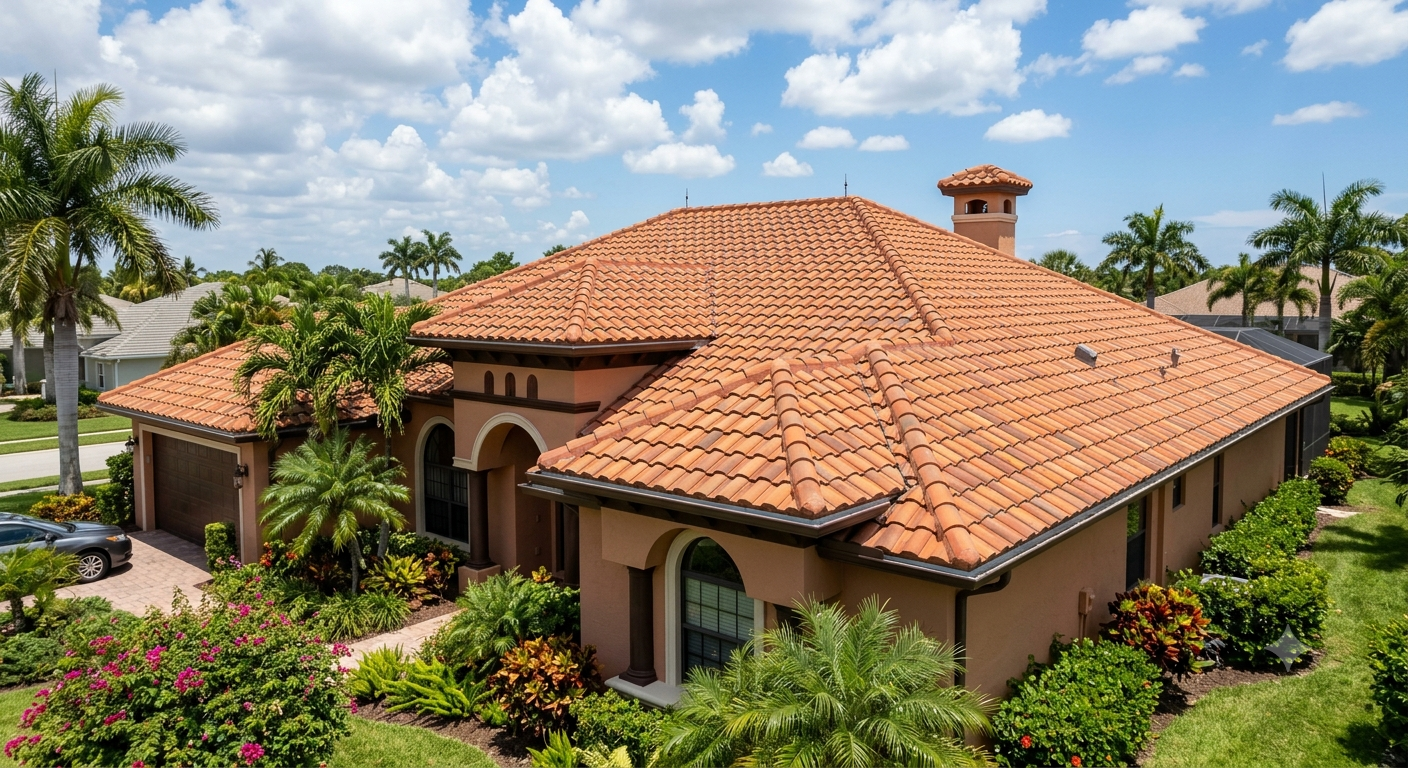
Tile roofing is known for its classic Florida look, long lifespan, and strong heat resistance. Clay and concrete tile roofs are common throughout many Florida communities because they offer a premium appearance and strong long-term performance.

Florida 5 Star Roofing offers professional tile roof installation for homeowners who want a durable and high-end roofing system.


Benefits of Tile Roofing

Tile roofs are popular in Florida because they offer:

  • Excellent curb appeal
  • Long-lasting performance
  • Strong resistance to heat
  • A distinctive architectural look
  • Good performance in Florida sun
  • A premium appearance for Mediterranean, Spanish, coastal, and custom home styles


Tile can be a great choice for homeowners who want both durability and style.


Things to Consider with Tile Roofing

Tile is heavier than shingles or many metal roofing systems. Before choosing tile, your home must be evaluated to confirm that the structure can support the weight of the roofing system.

Tile roofs also require skilled installation. Broken tiles, flashing issues, underlayment problems, or improper installation can create future leak risks. Tile may also have a higher upfront cost than shingles.

A tile roof may be a good fit if your home is built to support it and you want a long-lasting, premium roofing option with strong visual appeal.


Shingle vs. Metal vs. Tile: Florida Roof Comparison

Roofing Material Best For Main Benefits Things to Consider
Asphalt Shingles Budget-conscious homeowners Affordable, attractive, widely available, easier to repair May have a shorter lifespan than metal or tile in Florida conditions
Metal Roofing Long-term durability and energy-conscious performance Durable, reflective, moisture-resistant, strong storm performance when properly installed Higher upfront cost and requires experienced installation
Tile Roofing Premium curb appeal and long lifespan Elegant, heat-resistant, durable, classic Florida appearance Heavy material, higher cost, requires structural evaluation


What About Insurance and Wind Mitigation?

Many Florida homeowners ask whether a new roof can help with insurance. The answer depends on your home, roof system, insurance carrier, policy, and qualifying mitigation features.


The Florida Office of Insurance Regulation provides information about premium discounts for hurricane loss mitigation. In general, certain storm-resistant improvements and verified wind mitigation features may help homeowners qualify for discounts on the windstorm portion of their insurance premium.

A new roof does not automatically guarantee lower insurance costs, but a properly installed roofing system that meets current code requirements may support better protection and may be part of a broader wind mitigation strategy.


Homeowners should speak with their insurance carrier and ask whether a wind mitigation inspection is needed.


How to Choose the Right Roof for Your Florida Home

The best roofing material is not the same for every homeowner. Before choosing shingles, metal, or tile, consider these questions:


  • How long do you plan to stay in the home?
  • What is your roof replacement budget?
  • Is long-term durability more important than upfront cost?
  • What style best matches your home?
  • Is your home structurally suited for tile?
  • Are you concerned about energy efficiency?
  • Has your roof experienced storm damage?
  • Are you trying to reduce future maintenance?
  • Do you need help understanding insurance or storm-related roof concerns?

A professional roof inspection and estimate can help you compare options clearly.


When Is It Time to Replace Your Roof?

You may need a roof replacement if you notice:


  • Missing, lifted, or cracked shingles
  • Broken or displaced tiles
  • Rusted or damaged metal panels
  • Recurring roof leaks
  • Water stains on ceilings
  • Sagging roof areas
  • Excessive shingle granules in gutters
  • Storm damage after heavy winds or hail
  • An aging roof that no longer performs reliably


If you are unsure whether you need repair or replacement, Florida 5 Star Roofing can inspect your roof and give you honest guidance.


Get Help Choosing the Right Roofing Material

Your roof protects your home, your family, and your investment. Whether you are considering shingles, metal, or tile, choosing the right roofing material for Florida weather starts with expert guidance.

Florida 5 Star Roofing provides residential roof replacement services throughout Central Florida and Tampa-area communities. Our team can walk you through material options, review your roof condition, explain the replacement process, and provide a clear estimate without pressure.

Ready to compare roofing options for your home?

Request a free roofing estimate from Florida 5 Star Roofing today.


FAQ


What is the best roofing material for Florida weather?

The best roofing material depends on your budget, home style, long-term goals, and storm-resistance needs. Shingles are affordable and versatile, metal roofs are durable and energy-conscious, and tile roofs offer premium curb appeal and long-term performance.


Is a metal roof better than shingles in Florida?

Metal roofing can offer longer service life and strong weather resistance, but it typically costs more upfront. Shingles remain a popular choice because they are affordable, attractive, and easier to repair.


Are tile roofs good for Florida homes?

Tile roofs can be excellent for Florida homes, especially for homeowners who want long-term durability and a premium look. However, tile is heavy, so the home must be evaluated to confirm it can support the system.


Can a new roof lower my homeowners insurance in Florida?

A new roof may help in some cases, especially if it includes qualifying wind mitigation features, but discounts depend on your insurance carrier, policy, home, and inspection results. Always confirm with your insurance provider.

How Florida’s Weather Impacts Your Roof (and What You Can Do About It)

150 150 Florida 5 Star Roofing Blogger

Florida is famous for sunshine, beaches, and warm weather—but if you’re a homeowner, you know the climate can be tough on your roof. Between intense UV rays, sudden downpours, high humidity, and hurricane‑force winds, roofing systems in Florida face conditions that cause them to age faster than in most other states.

Understanding how these elements affect your roof can help you prevent damage, avoid expensive repairs, and extend the life of your home’s most important protective layer.

☀️ UV Exposure: Florida Sunshine Isn’t Always Friendly

Florida gets more than 230 days of sunshine a year, and while that’s great for outdoor living, it’s harsh on roofing materials. Over time, constant UV exposure can dry out shingles, cause cracking, and fade protective coatings. As the document notes, “Constant UV exposure can dry out shingles, cause cracking and warping, [and] fade protective coatings.”

This gradual breakdown reduces your roof’s ability to shield your home from heat and moisture.

How to protect your roof:

  • Schedule annual roof inspections to catch early signs of UV damage.
  • Consider UV‑resistant or reflective roofing materials during your next replacement.
  • Learn more about how UV affects building materials from the U.S. Department of Energy: https://www.energy.gov/energysaver/roofing (energy.gov in Bing)

🌧️ Heavy Rain: Florida Storms Find Every Weak Spot

Florida’s rainstorms are fast, intense, and frequent—especially during the summer. Even a small vulnerability in your roof can quickly turn into a leak or water intrusion issue. As your document explains, “Even minor vulnerabilities can lead to leaks, water damage, [and] mold growth.”

Because storms can hit suddenly, homeowners often don’t realize damage has occurred until it becomes a bigger problem.

How to protect your roof:

  • Have your roof inspected after major storms, even if you don’t see visible damage.
  • Keep gutters clear so water can drain properly.
  • Check your attic periodically for damp insulation or discoloration.

For more on Florida’s rainfall patterns, the National Weather Service offers helpful data: https://www.weather.gov/

💧 Humidity: A Hidden Threat to Your Roof’s Structure

Florida’s humidity is more than uncomfortable—it can be destructive. Moisture in the air can accumulate in attic spaces, especially if ventilation is poor. Over time, this can lead to mold growth, wood rot, and weakened structural components. Your document highlights that “High humidity levels create the perfect environment for moisture buildup… [leading to] wood rot [and] mold in attic spaces.”

How to protect your roof:

  • Ensure your attic has proper ventilation to allow moisture to escape.
  • Use insulation that helps regulate temperature and humidity.
  • Consider installing a ridge vent or soffit vents if your home lacks them.

The EPA provides useful guidance on indoor humidity and mold prevention: https://www.epa.gov/mold

🌪️ Hurricane Season: High Winds and Hidden Damage

Hurricane season is one of the biggest challenges for Florida homeowners. Strong winds can lift shingles, damage flashing, and expose your roof deck to water intrusion. Even if your roof looks fine from the ground, hidden damage is common after a major storm.

Your document notes that winds can “lift or tear off shingles, damage flashing, [and] expose your roof to water intrusion.”

How to protect your roof:

  • Schedule a professional inspection before and after hurricane season.
  • Make sure loose shingles, flashing, and fasteners are repaired promptly.
  • Consider upgrading to wind‑resistant roofing materials if your roof is aging.

For official hurricane preparation guidance, visit FEMA’s resource center: https://www.ready.gov/hurricanes

Protect Your Home Year‑Round

Florida’s weather isn’t gentle on your roof, but proactive maintenance can dramatically reduce long‑term damage. Regular inspections, proper ventilation, and timely repairs can help your roof withstand the state’s toughest conditions.

If you want peace of mind after a storm or simply want to stay ahead of potential issues, scheduling a professional roof inspection is one of the smartest steps you can take.


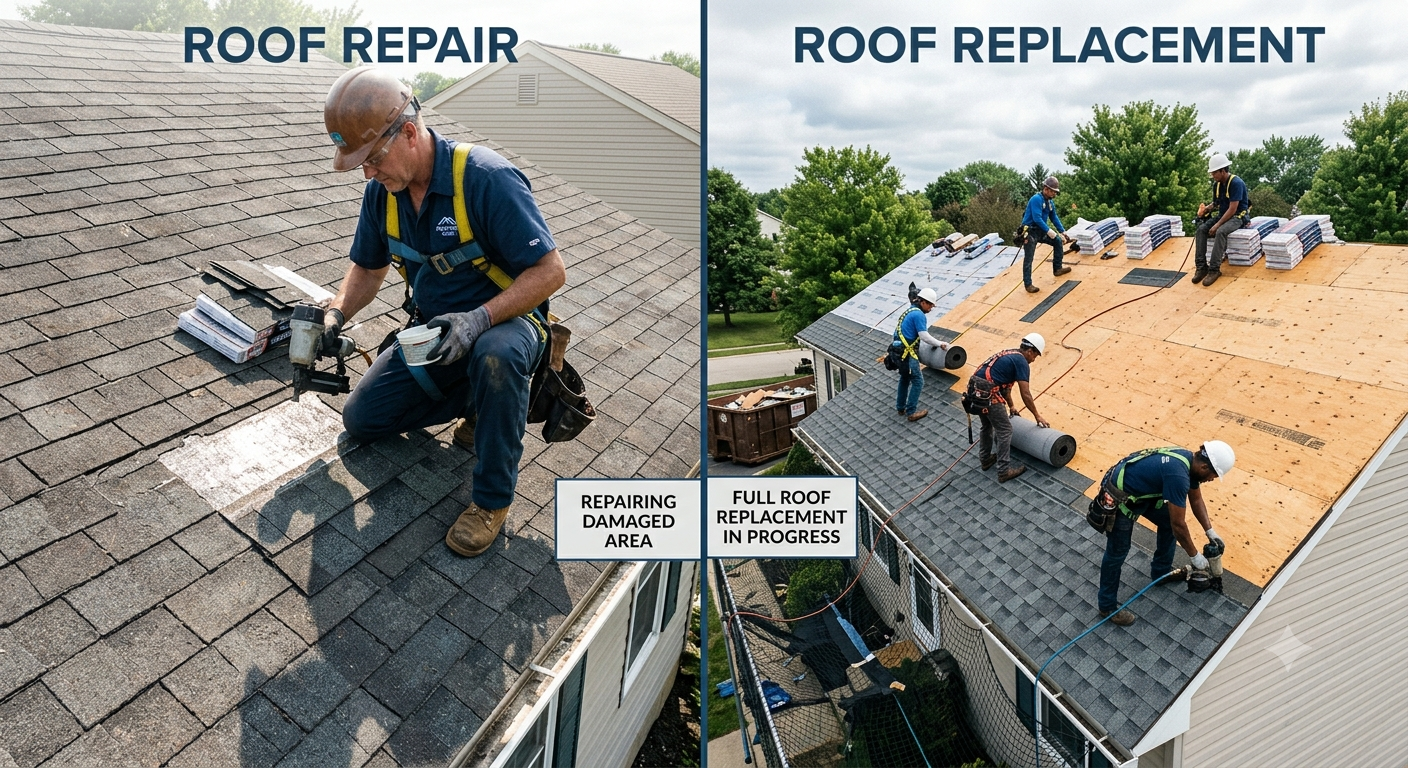
Roof Repair vs. Replacement: How to Choose

150 150 Kaylee Sakur
When something starts to feel “off” with your roof – maybe a leak during the last rainstorm or shingles that don’t lie flat anymore, it’s easy to start worrying. What you really need to know is whether it’s a minor issue you can fix, or something big enough that your whole roof might need to be replaced. The difference matters, because it affects your budget, your timeline, and ultimately the protection of your home.
In many situations, a roof repair is all that’s necessary. Small problems like a handful of missing shingles, a localized leak, or worn flashing around chimneys and vents don’t always mean the roof is failing. If the rest of the system is still in good condition, addressing those issues early can prevent them from turning into something more serious. Over time, Florida’s heat and rain can cause shingles to crack or sealant to break down, but catching these early signs of wear and tear  can help preserve the roof’s integrity and extend its lifespan.
But there comes a point when repairs only mask deeper problems. If your roof is showing signs of age across multiple areas — widespread shingle deterioration, frequent leaks, or overall fatigue from years of sun and storms, a roof replacement may be the smarter choice. Instead of putting band-aids on one issue after another, replacing the roof all at once gives you a fresh start, helps avoid recurring problems, and often improves energy efficiency and curb appeal.
Florida’s climate really influences this decision. The intense sunshine here wears down roofing materials more quickly than in cooler places, and high humidity combined with heavy rainstorms can accelerate deterioration. During hurricane season, wind and debris can cause sudden damage that makes underlying issues worse. For that reason, having a professional roof inspection after major weather events – whether you’re leaning toward repair or replacement – is always a wise move.
Cost considerations also play a big role. Repairs generally cost less upfront, which makes them attractive when the damage is minor. But if you find yourself repairing the roof repeatedly, the costs add up. A full replacement requires a larger investment at once, but it can provide years of worry-free protection. Many homeowners find that they save money long term by tackling a replacement before problems multiply.
Deciding which path to take gets clearer with a professional evaluation. Roof inspections don’t just look at visible issues – they reveal hidden problems that can affect your home’s structure and performance. Roofers will assess everything from shingles to underlayment, ventilation, and any signs of moisture intrusion. Getting a detailed inspection helps you make an informed choice instead of guessing.
For homeowners in Central Florida, knowing what services are available is helpful too. Florida 5 Star Roofing offers a range of options, from residential roof repair for smaller fixes to full roof replacement services when that’s the best fit for your home’s long-term health. Whether your property needs a targeted repair or a complete reroof, it’s good to understand both what the issue is and what the solution will mean for you.
At the end of the day, choosing between repair and replacement isn’t a one-size-fits-all call. It’s about balancing the current condition of your roof, its age, how it’s weathering Florida’s unique climate, and your goals as a homeowner. If you’re unsure, scheduling an inspection provides the clarity you need to protect your home without second-guessing your decision.

What’s the Lifespan of a Florida Roof? (+ How to Extend It!)

150 150 Florida 5 Star Roofing Blogger


Living in Florida means sunshine, salty air, and—let’s be honest—some serious weather. From blazing heat to hurricane season, your roof goes through a lot. So, how long should your roof really last here in the Sunshine State? And what can you do to help it last even longer? 

Let’s break it down. 

🕒 Typical Roof Lifespans in Florida (By Material) 

Not all roofs are built the same—and in Florida, that really matters. Here’s the average lifespan of the most common roofing materials, specifically in our climate: 

  • Asphalt Shingles: 15–20 years 
  • Affordable and popular, but heat and humidity can shorten their lifespan without proper care. 
  • Architectural Shingles: 20–30 years 
  •  Thicker and more durable than basic 3-tab shingles—better suited for Florida weather. 
  • Metal Roofing: 40–70 years 
  • Excellent for resisting wind, rain, and corrosion. A favorite for hurricane-prone areas. 
  • Clay or Concrete Tiles: 40–50+ years 
  • Ideal for hot climates—very durable, but they need proper installation and occasional maintenance. 
  • Flat Roofing (common on commercial buildings): 10–25 years 
  • Depends heavily on materials used (TPO, modified bitumen, etc.) and maintenance schedule. 


🌴 What Makes Florida Roofs Wear Out Faster? 

Florida is beautiful—but it’s tough on roofs. Some common challenges include: 

  • UV Exposure: The sun breaks down materials over time. 
  • Heavy Rain & Humidity: Moisture can lead to mold, rot, and weakened materials. 
  • Tropical Storms & Hurricanes: High winds and flying debris can cause significant damage. 
  • Salt Air (coastal homes): Accelerates corrosion, especially on metal elements. 

This means that even a “25-year roof” in other parts of the country might need attention in just 15–20 years in Florida. 

🛠️ How to Extend the Life of Your Roof in Florida 

The good news? With the right care, your roof can beat the odds. Here’s how to help it last longer: 

  1. Schedule Regular Roof Inspections
    Get a professional inspection at least once a year—or after major storms. Catching small issues early can prevent bigger (and more expensive) problems down the road.
  2. Keep Gutters Clean
    Clogged gutters cause water to back up onto the roof, leading to rot and leaks.
  3. Trim Overhanging Branches
    Branches can scratch shingles or fall during storms, damaging your roof.
  4. Clean Off Debris & Algae
    Moss, leaves, and algae can trap moisture and wear down your roof faster.
  5. Stay On Top of Minor Repairs
    Loose shingles, cracked tiles, or leaky flashing? Fix them quickly before they turn into bigger issues.
  6. Use Quality Materials & Licensed Contractors
    A roof is an investment. Quality materials + expert installation = longer lifespan.
🏠 So… How’s Your Roof Holding Up? 

If it’s been over a decade since your roof was installed—or if you’re seeing signs of wear—it might be time to get it checked out. At FL 5 Star Roofing, we offer free inspections and honest recommendations based on what your home really needs. 


Roof Styles You’ll See Across Central Florida—And How to Choose Yours

150 150 Florida 5 Star Roofing Blogger

When you drive through Central Florida—from the historic neighborhoods of Winter Park to the modern communities of Lake Mary—you’ll notice a wide range of roof styles. But beyond looks, each roofing material and shape has its own pros and cons, especially in Florida’s unique climate. 

Whether you’re building new, remodeling, or just curious, here’s a closer look at the most popular roof styles across Central Florida—and how to decide which one is right for your home.

Asphalt Shingle Roofs

Where you’ll see them: Ocoee, Sanford, suburban neighborhoods
Why people love them: 

  • Affordable 
  • Quick installation 
  • Available in many colors and styles 

What to know: Shingle roofs are incredibly popular across Florida for their cost-effectiveness and versatility. However, they typically have a shorter lifespan in our hot, humid climate unless maintained properly. Choosing high-quality shingles with algae resistance and proper ventilation can extend their life significantly. 

Tile Roofs (Clay or Concrete)

Where you’ll see them: Windermere, Winter Park, luxury and Mediterranean-style homes
Why people love them: 

  • Long-lasting (50+ years) 
  • Classic, upscale appearance 
  • Excellent heat resistance 

What to know: While more expensive upfront, tile roofs are ideal for Florida’s sun and storm seasons. They’re heavy, so your home must be structurally capable of supporting them. They also require professional installation and maintenance to prevent cracking or shifting over time. 

Metal Roofs

Where you’ll see them: Modern homes, rural areas, energy-efficient remodels
Why people love them: 

  • Extremely durable (40–70 years) 
  • Reflects sunlight, reducing cooling costs 
  • Resistant to mold, rot, and pests 

What to know: Metal roofing is becoming more common in Florida thanks to its sleek look and hurricane-grade durability. While the initial cost is higher, homeowners appreciate the long-term savings on energy and repairs. 

Flat Roofs

Where you’ll see them: Commercial buildings, some mid-century modern homes in Orlando
Why people love them: 

  • Simple, modern design 
  • Easier access for solar panels and HVAC 
  • Budget-friendly materials 

What to know: Flat roofs require a proper drainage plan—especially in Florida’s rainy seasons. Without it, pooling water can cause leaks and damage. Regular maintenance is key to making these last. 

Choosing the Right Roof for Your Home 

Here are three main factors to consider: 

  1. Budget – Shingles are the most cost-effective, while tile and metal have higher up-front costs but longer lifespans. 
  2. Aesthetics – Your roof should complement your home’s architecture and neighborhood vibe. 
  3. Durability for Florida Weather – With high heat, humidity, and hurricane seasons, choose a material that can handle Florida’s extremes. 

Ready to Replace or Upgrade Your Roof? 

At Florida 5 Star Roofing, we help homeowners across Central Florida choose the roof that fits their home, lifestyle, and budget. Our expert team provides free inspections and clear guidance—no pressure, just honest answers. 


How Gutters and Roofing Work Together to Protect Your Home

150 150 Florida 5 Star Roofing Blogger

When it comes to shielding your home from Florida’s unpredictable weather, the roof often gets all the credit. It’s your first defense against heavy rain, strong winds, and intense sun. But while your roof is doing its job up top, there’s another system quietly protecting your home from serious damage—your gutters.

Roofing and gutters aren’t separate systems. They work together as a team to keep your home safe, dry, and structurally sound. When one isn’t functioning properly, the other is at risk.

Why Your Roof Needs Gutters

Your roof’s job is to direct rainwater off your home as efficiently as possible. But once that water leaves the roof, it needs somewhere to go. That’s where your gutters come in.

Gutters collect the water flowing off your roof and channel it safely away from the foundation, siding, and landscaping. Without them, water can pool around the base of your home, seep into the foundation, or rot the wood near your roofline.

When One Fails, the Other Suffers

If gutters are clogged, sagging, or broken, water can back up under the roofline, damaging shingles, fascia boards, and even the interior of your home. On the flip side, if your roof is damaged or improperly installed, water may not flow correctly into the gutters—leading to overflow and erosion around your property.

Some of the most common issues homeowners see when these systems aren’t working together include:

  • Roof leaks or wood rot

  • Mold growth around the attic or ceilings

  • Cracked foundations from improper drainage

  • Water damage to siding or soffits

How to Keep Both Systems Working Properly

The key to protecting your home is maintaining both systems year-round. Here are a few simple steps:

  • Inspect your roof regularly, especially after storms

  • Clean your gutters at least twice a year, or install gutter guards

  • Watch for signs of trouble, like water spilling over or pooling near the foundation

  • Make sure downspouts are clear and directed away from your home

Trust the Experts

At Florida 5 Star Roofing, we understand how your roof and gutter system work together—and we make sure both are in top condition. Whether you need an inspection, repair, or full replacement, our team is here to help you protect your home from the top down.

Roofing 101: The Why, When, and How of Yearly Inspections

150 150 Florida 5 Star Roofing Blogger

Let’s be real — most of us don’t think about our roof until something goes wrong. A leak shows up, a shingle goes missing, or (worst-case scenario) a storm rolls through and suddenly you’re Googling roofing companies in a panic.

But here’s the thing: just like your car or your A/C, your roof needs a little regular attention to keep it in good shape. And one of the easiest — and smartest — things you can do is schedule a yearly roof inspection.

Roofing 101: The Why, When, and How of Yearly Inspections
At Florida 5 Star Roofing, we get this question a lot. And we get it — if your roof looks fine, it’s easy to assume everything’s good up there. But the truth is, a lot can go wrong on a roof without you ever knowing it. That’s where an annual inspection comes in.

Here’s why it’s worth it:

  1. Catch Problems Before They Become Expensive
    A small crack in a shingle might not seem like a big deal, but give it a few months — especially with Florida’s rain and humidity — and suddenly you’re looking at water damage, mold, or worse. A yearly inspection helps spot those little issues early, so you can fix them fast and cheap.
  2. Get Ahead of Storm Season
    If you’ve lived in Florida for more than five minutes, you know how unpredictable our weather can be. Getting your roof inspected before hurricane season gives you peace of mind that it can handle whatever Mother Nature throws at it.
  3. Keep Your Warranty in Check
    A lot of roof warranties require regular maintenance. Skipping inspections could actually void your coverage — and no one wants to find that out the hard way when something breaks.
  4. Add Years to Your Roof’s Life
    Your roof is a big investment, and the longer it lasts, the better. Regular inspections help your roof live its best life by catching issues early and preventing long-term damage.
  5. Good for Home Value (and Peace of Mind)
    Even if you’re not planning to sell right now, having a clean bill of health for your roof is always a plus. And if you are thinking about putting your house on the market? A recent inspection can be a selling point.

We’re Not Just Roof People — We’re Your Neighbors
At Florida 5 Star Roofing, we live and work right here in the community. We know Florida roofs — and Florida weather — better than most. When we do an inspection, it’s not just a checklist. It’s a real look at what’s happening up there, with honest feedback and clear next steps (if any are needed).

No pressure. No upsells. Just real advice you can trust.

Ready to Give Your Roof Some Love?
If it’s been more than a year since your last inspection (or you honestly can’t remember the last time someone looked at your roof), now’s a great time to schedule one.