
Florida roofs face intense sun, high humidity, heavy rain, and periodic hurricanes. Because of this climate, most roofs in the state do not last as long as the same materials would in milder regions. On average, an asphalt shingle roof in Florida lasts 15–25 years, while metal and tile roofs often last 40–70 years or more when properly installed and maintained.
How Long Does an Asphalt Shingle Roof Last in Florida?
An asphalt shingle roof in Florida typically lasts 15 to 25 years. The intense UV exposure and heat cause the shingles to dry out, crack, and lose granules faster than in cooler climates. High-quality architectural shingles installed correctly can reach the upper end of that range, while basic 3-tab shingles often fall closer to 15–18 years.
How Long Do Metal Roofs Last in Florida?
Metal roofs in Florida commonly last 40 to 70 years. They handle heat, wind, and moisture far better than asphalt. Standing-seam metal systems with proper coatings resist corrosion and can easily outlast the homeowners who install them when maintained.
How Long Do Tile Roofs Last in Florida?
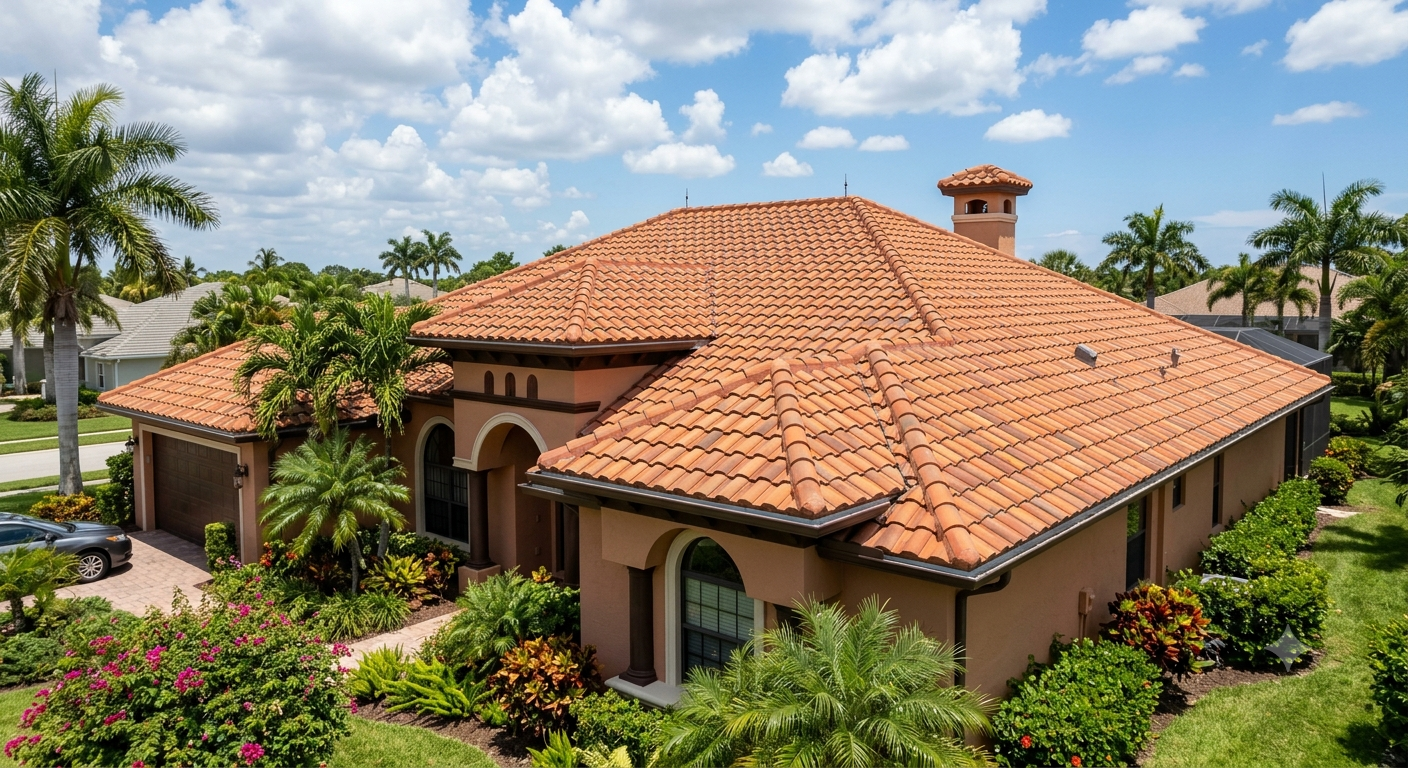
Concrete and clay tile roofs often last 50 years or longer in Florida. Tile is highly durable against sun and wind, but the underlayment and supporting structure usually need attention or replacement sooner than the tiles themselves—typically around the 20–30 year mark.
When homeowners think about their roof, they often focus on shingles, tiles, or storm protection. However, one of the most important components of a healthy roofing system is something many people never see: roof ventilation.
In Florida’s hot and humid climate, proper attic ventilation plays a major role in protecting your roof, improving energy efficiency, and helping your home stay comfortable year-round.
What Shortens a Roof’s Life in Florida?
Several local factors reduce roof lifespan:
- Constant UV exposure and extreme heat
- High humidity and frequent rain
- Hurricane-force winds and flying debris
- Poor attic ventilation
- Clogged gutters that hold moisture against the roof edge
- Improper installation or low-quality materials
How Can You Extend the Life of Your Florida Roof?
You can often add years to your roof with consistent care:
- Keep gutters clean so water drains properly
- Trim overhanging tree branches
- Ensure attic ventilation is working
- Schedule professional inspections every 1–2 years (especially after major storms)
- Address small issues like missing shingles or damaged flashing quickly
- Consider reflective or impact-resistant materials when it’s time to reroof
When Should You Start Planning a Roof Replacement?
Most Central Florida homeowners should begin evaluating replacement when their roof is approaching the average lifespan for its material, or sooner if they notice curling shingles, widespread granule loss, leaks, or sagging. After a major storm, an inspection is the safest way to know where you stand.
Florida 5 Star Roofing has completed hundreds of roofing projects across Central Florida. We provide free inspections and clear recommendations so you know exactly how much life your current roof has left.
Frequently Asked Questions
How long do roofs last in Florida compared to other states?
Roofs in Florida generally last 5–10 years less than the same materials in northern states because of the heat, UV, and storm exposure.
Does a metal roof really last longer in Florida?
Yes. Metal roofs typically outlast asphalt by decades in Florida’s climate when properly installed.
Can regular maintenance really extend roof life?
Yes. Proper ventilation, clean gutters, and timely minor repairs can add several years to most roof systems.
Should I replace my roof after a hurricane even if it looks okay?
Not necessarily. Have a licensed contractor inspect it. Hidden damage to underlayment or decking is common even when the surface looks intact.
